By Shaun Keegan, CEO and co-founder, Asbury Park-based Solar Landscape
Why is sustainability important to your business?

Climate change – and how we fight it – is the defining challenge of our generation and the ones to follow. And New Jersey is particularly vulnerable to its impacts, from flooding to urban heat islands and public health risks.
For too long, the people in New Jersey’s frontline communities – those already bearing the heaviest burdens of climate change – haven’t had a substantive way to fight back. Many thought they couldn’t use solar energy because they don’t own their home, they live in a multi-family building, or they simply didn’t have the resources to invest in residential solar.
Through the state’s community solar pilot program, Solar Landscape empowers commercial real estate owners to give underserved communities a way to join New Jersey’s clean energy economy. By hosting large arrays of solar panels on warehouses and logistics facilities, these companies can make substantive progress on their environmental and sustainability goals — often known as ESG, for “environmental, social and governance.”
The power generated by these solar panels is distributed to nearby homes, which reduces greenhouse gas emissions and household energy costs. Plus, the projects create well-paying, family-sustaining jobs. It’s a win for the community, a win for commercial real estate owners, and a win for the state’s equitable clean energy economy.
To use Governor Murphy’s words, that’s truly stronger and fairer.
How do you realize your vision for sustainability/what successes can you point to?
Our vision for sustainability in New Jersey is that every large commercial rooftop hosts solar arrays that benefit the surrounding community. We’re very excited to be building 46 new projects that – together with the eight we’ve already built – will deliver solar energy and guaranteed lower electricity costs for over 11,000 New Jersey families, that majority of which are low- to moderate-income.
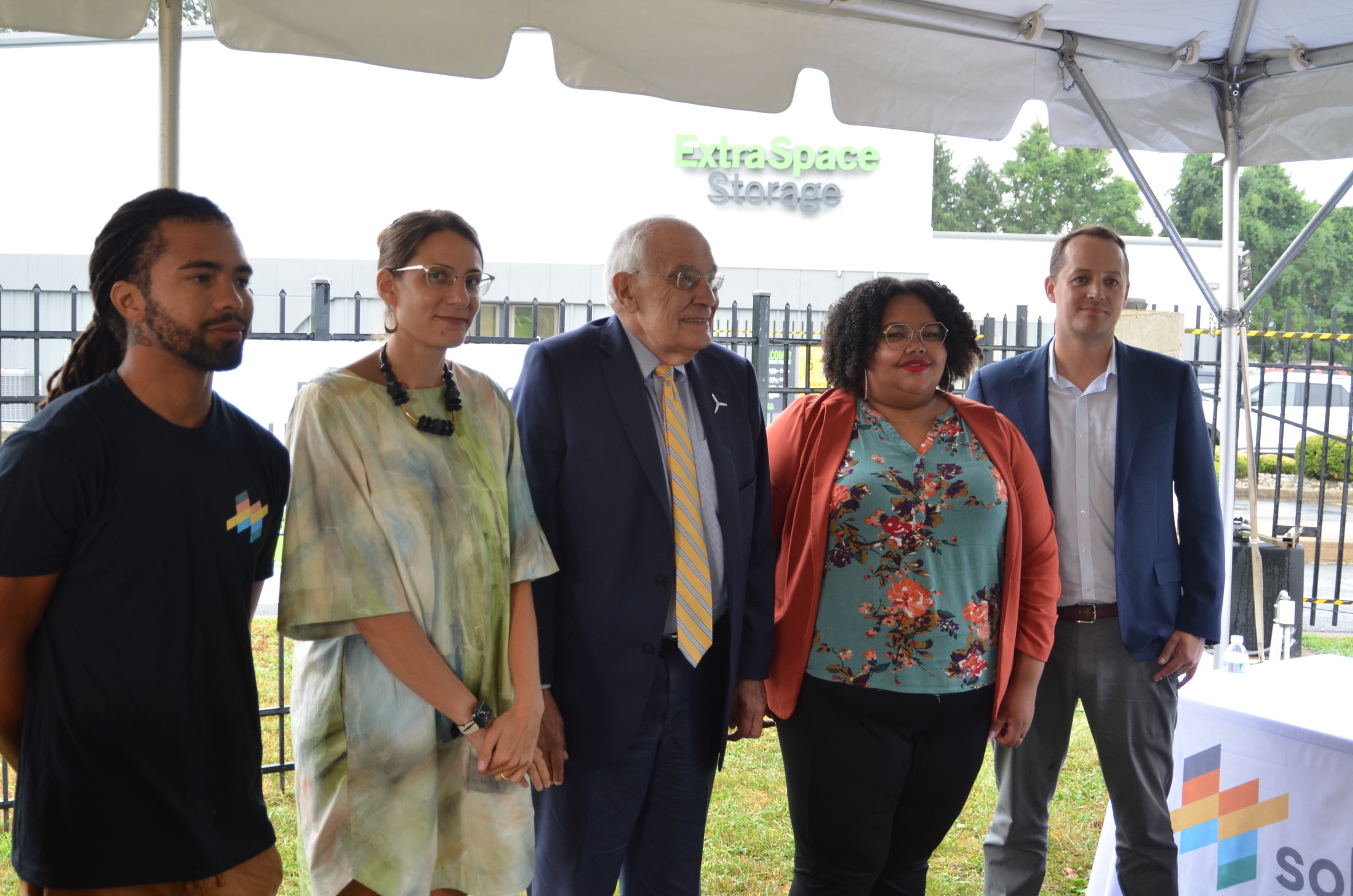
Together with representatives from Governor Murphy’s office, the New Jersey Board of Public Utilities (NJBPU), Extra Space Storage and environmental and community leaders, we recently celebrated completing construction on the first “Year 2” community solar project in the state. The gathering was a great example of what we can achieve together when everyone is working toward a clean energy future.
What public policy priorities are of greatest importance to you at this time and why?
We continue to be encouraged by the clean energy momentum from the Murphy Administration and, recently, at the federal level.
In only two years, New Jersey’s community solar program has become a national model for clean energy equity. States like California, Maryland and Illinois are following New Jersey’s lead to provide solar power to underserved communities.
And there is more to be done. We look forward to working with even more communities and commercial real estate owners to bring solar to more households very soon.
How does being a member of NJSBC help you achieve your goals?
I’m encouraged by all the work that NJSBC does to advocate for a thriving, sustainable economy. NJSBC members are prime examples of harnessing the collective momentum toward a sustainable world, while creating jobs and building successful businesses in the process. And, as New Jersey continues to lead the nation in clean energy equity, NJSBC has brought some of those stories to the national stage through the American Sustainable Business Network.
Photos: